Understanding your Bidet
Three types of water heating.
Most bidets available on the market today are electric. These units connect directly to your home's water supply and feature built-in heaters to warm the water before use. This ensures a comfortable and hygienic cleaning experience every time. Electric bidets typically utilize one of three types of water heating systems:
Tank Water Heater
Bidets with a tank heating system store warm water in a built-in reservoir, ready for immediate use. These tanks usually provide about 20 to 50 seconds of warm water depending on the temperature setting and spray strength set by the user. Once the warm water runs out, the bidet continues using cold water while the tank is refilled and reheated—a process that takes some time.
Once the warm water in the tank is depleted during use, the bidet automatically refills the tank with cold water. Within approximately 30 seconds, the user will begin to notice a drop in temperature, and shortly thereafter, the water may turn completely cold.
After use, the tank refills with unheated water, which is then reheated by the built-in heating system in preparation for the next use.
It’s important to note that bidets with tank-type heaters are generally less energy-efficient, as they require continuous heating to maintain water temperature. Additionally, these models tend to be bulkier, as the internal water tank takes up a significant portion of the unit’s space.
Some bidet models equipped with air gap backflow prevention systems feature small internal water tanks that must be continuously refilled from an external water source. In these systems, water is delivered into the tank via gravity, with a minimum air gap of 25mm between the inlet and the tank to prevent contamination of the water supply.
Due to the additional space required for the air gap mechanism, the internal tank in these models is typically smaller than those found in bidets using an Atmospheric Vacuum Breaker (AVB). AVB systems are more compact, requiring only a small valve installed between the water tank and the nozzle, allowing for more efficient use of internal space.
Pros:
-
Provides instant warm water at the beginning of use
-
Complies with Australian WaterMark standards, ensuring quality and safety
Cons:
-
Limited warm water capacity – users may experience a noticeable temperature drop after approximately 20 seconds, with warm water typically lasting 40–50 seconds before turning cold
-
Higher energy consumption due to continuous heating
-
Larger and bulkier design as a result of the built-in water tank
Tankless Water Heating
Tankless bidet models, as the name suggests, do not include a water storage tank. Instead, they heat water on demand, drawing cold water directly from the main supply and warming it instantly using an internal heating element. This ensures a continuous stream of warm water throughout use.
One limitation of tankless systems is a brief delay before the warm water reaches the user. During this short moment, some units discharge the initial burst of cold water into the toilet bowl, while others direct it to the user—though only for a few seconds.
Despite this, tankless bidets are considered more energy-efficient than their tank-style counterparts. Because they only heat water when needed, they consume significantly less electricity over time.
Additional benefits include a compact, low-profile design and an unlimited supply of warm water, eliminating concerns about running out during use.
Pros:
-
Unlimited supply of warm water for uninterrupted use
-
Sleek, low-profile design that complements modern bathrooms
-
Energy-efficient operation, as water is only heated when needed
Cons:
-
May release a brief burst of cool water before the heating element activates
-
In some advanced models, the initial burst of cool water is diverted into the toilet bowl before the cleaning process begins. However, because the internal piping must still warm up, the first few seconds of water may be only slightly cooler, typically just a few degrees below the desired temperature.
Hybrid Water Heating
Hybrid water heating systems combine the features of both tank-type and tankless models. These systems include a small internal tank that stores a limited amount of preheated water, typically enough for the first few seconds of use.
Once the initial supply is exhausted, the instant heating element activates to continue delivering warm water. However, because the heating element in hybrid systems is generally less powerful than those in fully tankless models, the warm water supply is not continuous.
On average, hybrid bidets provide 45 to 90 seconds of warm water per use. If the water begins to cool during use, it may be necessary to pause and allow the system a few minutes to reheat the tank.
Hybrid systems offer a balanced solution, delivering longer warm water availability than tank-only models while remaining more compact and energy-efficient.
Pros:
-
Provides extended warm water usage, typically lasting 45 to 90 seconds
-
Features a more compact tank compared to full tank models, allowing for a slimmer design
Cons:
-
Warm water supply is limited and may not be continuous during prolonged use
Step One
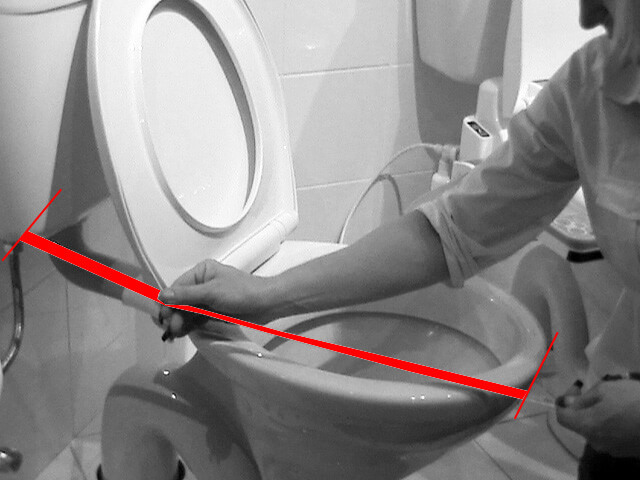
First thing to do is to measure from the front of the cistern to the front of the bowl (A size)
Step Two
Measure inside the bowl, front to back (C size) tttttttttttttttttttttttttttttt
Step Three
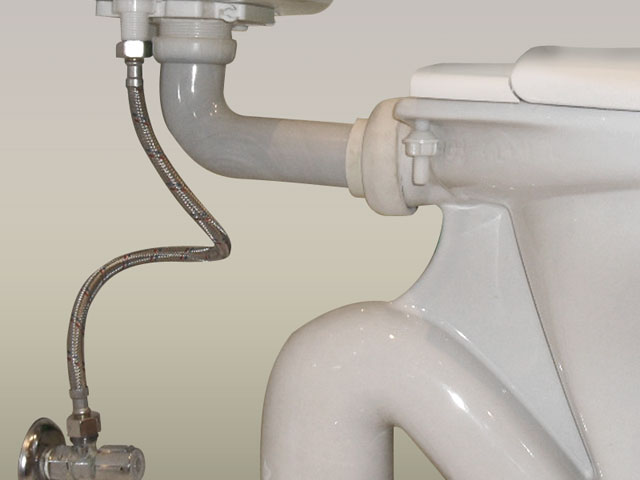
Is the water supply on the wall at the back or inside the cistern?
Which System is Right for You?
If you prioritize energy efficiency and a sleek design, tankless models are ideal. For those who want instant warm water without concern for energy use or space, tank models may be a good fit. Hybrid systems offer a balanced compromise between performance and efficiency.